
How Benefit Auctions Actually Work, From Paddle Raise to Paddle Fall
The money at a charity gala is raised in three distinct mechanisms — the paddle raise, the live auction, and the silent auction — and each follows rules most guests never see.
Benefit dinners and auctions covered with numbers attached: table pricing, amounts raised, auction lots and the share that reaches the cause.
The money at a charity gala is raised in three distinct mechanisms — the paddle raise, the live auction, and the silent auction — and each follows rules most guests never see.

Federal tax rules split every gala ticket, sponsorship and auction bid into a benefit portion and a gift portion, and only the gift portion counts as a deduction.
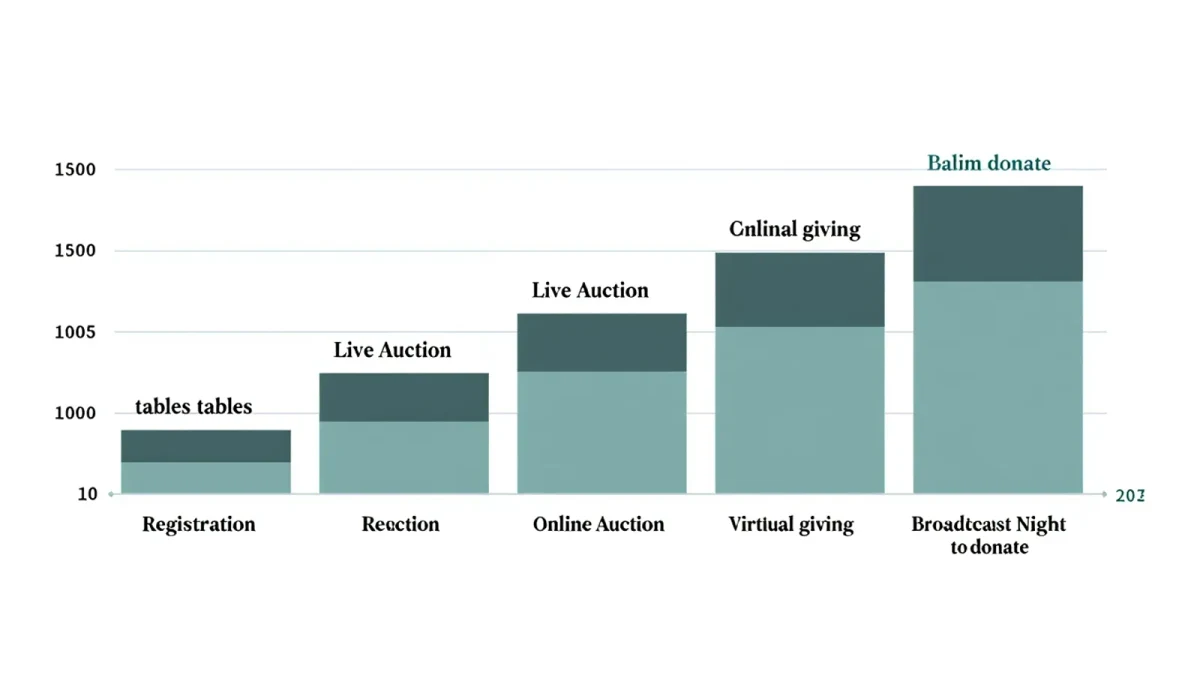
Livestreamed programs, remote auction bidding and text-to-give layers extend a gala's room from hundreds of seats to a global audience — and hybrid totals now include revenue no ballroom could hold.

Paddle-raise pledges leave the room as promises, and turning them into cash takes signed forms, 48-hour follow-up and a receivables process that some nonprofits report takes months to complete.

Naming honorees is a fundraising decision before it is an artistic one: tributes anchor table sales, tribute-journal advertising and the emotional arc of the evening's program.

Gala dress codes begin as an exhibition theme chosen by curators, then pass through host committees and sponsors before landing on the invitation as the short phrase that redirects a season of couture.